

That's right, a waste of time. That got everyone's attention. Of course walking slow is better than sitting on the couch, but the purpose of this thread is to help people who have no clue about cardio.
Basically, in order to maximize your fat burning, you need to know what your maximum heart rate is and you need to do your cardio in the range of 75-80% of that. This is known as your target heart range.
Basically, if you do low intensity cardio, you will have a low post-exercise increase in your metabolic rate (a.k.a. afterburn effect or "excess post-exercise oxygen consumption" ("EPOC).
This means that the EPOC will be so tiny that its effect on fat loss is almost nothing (hence a waste of time). In fact only about 10-30 extra calories are burned after exercise at an intensity of less than 60-65% of maximal heart rate. This is a huge piece of information that you should learn from. This means that a casual stroll on the street or treadmill will do practically nothing to increase your metabolism.
The piece of good news is that EPOC increases with the intensity and duration of exercise. This is why you always hear that you should be doing your cardio in the target heart range (75-80%). This would result in burning an EXTRA 75 calories (due to the afterburn effect) AFTER you do moderate paced cardio (as opposed to slow/low intensity cardio). Yes, your body continues to burn fat after your cardio session is over.
That is an extra 75 calories each day. It all adds up over the course of a week or two.
Please also keep in mind that the benefits of doing weight training have even a better EPOC (burning about 100-175 calories just in EPOC).
So, of course you will burn fat DURING cardio, and you can slightly increase the fat you burn AFTER cardio by increasing the intensity and duration. However, just keep in mind that weight training is even better for the afterburn. That is why is is best if you can do both cardio and weigh training. If you can't then at least do some exercise, which is better than just sitting on the couch.
Basically, in order to maximize your fat burning, you need to know what your maximum heart rate is and you need to do your cardio in the range of 75-80% of that. This is known as your target heart range.
Basically, if you do low intensity cardio, you will have a low post-exercise increase in your metabolic rate (a.k.a. afterburn effect or "excess post-exercise oxygen consumption" ("EPOC).
This means that the EPOC will be so tiny that its effect on fat loss is almost nothing (hence a waste of time). In fact only about 10-30 extra calories are burned after exercise at an intensity of less than 60-65% of maximal heart rate. This is a huge piece of information that you should learn from. This means that a casual stroll on the street or treadmill will do practically nothing to increase your metabolism.
The piece of good news is that EPOC increases with the intensity and duration of exercise. This is why you always hear that you should be doing your cardio in the target heart range (75-80%). This would result in burning an EXTRA 75 calories (due to the afterburn effect) AFTER you do moderate paced cardio (as opposed to slow/low intensity cardio). Yes, your body continues to burn fat after your cardio session is over.
That is an extra 75 calories each day. It all adds up over the course of a week or two.
Please also keep in mind that the benefits of doing weight training have even a better EPOC (burning about 100-175 calories just in EPOC).
So, of course you will burn fat DURING cardio, and you can slightly increase the fat you burn AFTER cardio by increasing the intensity and duration. However, just keep in mind that weight training is even better for the afterburn. That is why is is best if you can do both cardio and weigh training. If you can't then at least do some exercise, which is better than just sitting on the couch.


 [/IMG]
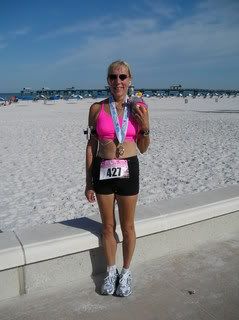
 ensive ) Anyway, I started SLOW and kept it up .. well now I run 32 miles a week!
Comment